 +1 800-888-5223




.png?width=67&height=67&name=Multi%20colored%20o-rings%20and%20gaskets%20(1).png)









.svg)


 +1 800-888-5223
Practical habits for selecting, installing, inspecting, and maintaining hose assemblies.
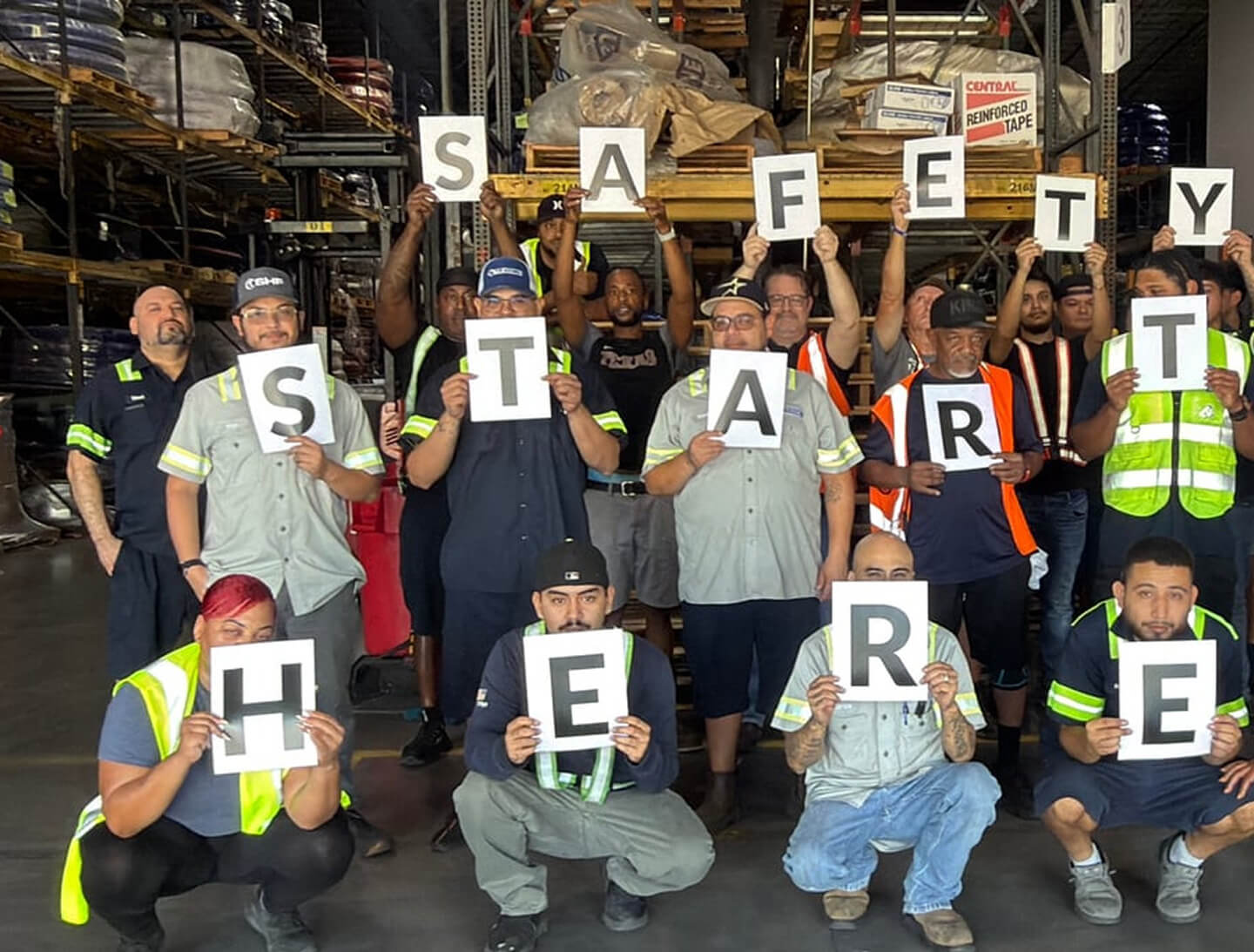
September is Hose Safety Awareness Month, NAHAD's industry-wide effort to spotlight the practices that keep people, equipment, and facilities safe. At APG, we've signed the NAHAD Safety Commitment. It's a public pledge to follow NAHAD and Hose Safety Institute (HSI) best practices and to share what we know with the people we work with.
The good news is that most hose failures are preventable. They rarely come from a single dramatic event. More often, they trace back to small decisions made during selection, installation, or maintenance. Get those decisions right, and a hose assembly can do its job safely for its full-service life.
Here are five practices worth building into your routine, this month and every month.
1. Start With the Right Hose for the Job
Hose safety begins with selection. A hose that's a poor match for its application can fail early even when everything else is done right.
Many hose professionals use the STAMPED checklist to cover the essentials:
- Size: Inside diameter and length suited to the required flow
- Temperature: Of both the media and the surrounding environment
- Application: How and where the hose will be used, including bending, movement, and exposure
- Media: What's flowing through the hose, and whether the tube material is compatible with it
- Pressure: The hose's working pressure should meet or exceed the system's maximum, including surges
- Ends: Couplings and fittings that match both the hose and the connection
- Delivery: Testing, certification, packaging, or other special requirements
If you're unsure about chemical compatibility or pressure ratings, check the manufacturer's data or ask a qualified hose professional. Substituting a hose that's "close enough" is one of the most common roots of premature failure.
2. Build and Install Assemblies Correctly
Even a well-chosen hose depends on how it's assembled and installed.
Fabrication. Use hose and fittings that are designed to work together. Follow the manufacturer's specifications for cutting, cleaning, coupling, and crimping, and verify every finished assembly. Pressure test assemblies when the application calls for it.
Installation. A few routing habits prevent a lot of problems:
- Respect minimum bend radius. Bending a hose tighter than its rating stresses the reinforcement and shortens its life.
- Avoid twisting. A hose installed with a twist wears out faster. The lay line printed on the hose makes a twist easy to spot.
- Allow for movement. Hose can change length under pressure, so leave enough slack in the run.
- Protect against abrasion. Route hoses away from sharp edges, moving parts, and heat sources. Where contact can't be avoided, use clamps, guards, or protective sleeves.
3. Make Inspection a Habit
Regular inspection catches problems while they're still small and easy to fix. Always shut the system down and relieve pressure before handling a hose assembly. Then look for:
- Abrasion or cuts, especially any that expose the reinforcement
- Cracking, hardening, or discoloration of the cover
- Bulges, blisters, or soft spots
- Kinks, crushed areas, or flattened sections
- Leaks, corrosion, or coupling movement at the fittings
One rule is worth repeating, never check for leaks by running your hand along a hose. Pinhole leaks can be nearly invisible, and pressurized fluid can penetrate skin. A piece of cardboard or wood does the job safely.
How often should you inspect?
It depends on how hard the hose works. Assemblies in severe service need more frequent checks than those in light-duty use. Severe service includes high pressure, constant flexing, harsh chemicals, and outdoor exposure. Set a schedule that fits your operation, document it, and stick to it. Tagging each assembly with its install date makes tracking much easier.
4. Replace Proactively and Store Hose Properly
Waiting for a hose to fail is the costliest maintenance strategy there is. Use your inspection records and service history to set replacement intervals and change out assemblies before they reach the end of their life. When an assembly fails inspection, replace it rather than patching it.
Storage matters too, because a hose can age before it's ever installed:
- Keep hose in a cool, dry place out of direct sunlight.
- Store it away from ozone sources such as electric motors and welding equipment.
- Cap or plug the ends to keep out dirt and moisture.
- Lay hose flat or coil it loosely. Hanging it on hooks or nails can kink or deform it.
- Rotate stock so older hose gets used first.
5. Treat Hose Safety as a Year-Round Practice
Hose Safety Awareness Month is a valuable reminder, but it isn't the whole plan. The operations with the fewest hose failures make safety part of their everyday routines. They:
- Train new team members on selection, handling, and inspection basics
- Revisit inspection schedules when equipment, processes, or operating conditions change
- Keep records so patterns become visible, such as a line that keeps failing early or a hose that's routed poorly
- Tap into industry resources. Through the Hose Safety Institute, NAHAD offers best practices, webinars, and training throughout the year.
Final Word
Safe hose practices come down to consistency. Choose the right hose, build and install it correctly, inspect it regularly, and replace it before it becomes a problem. As a NAHAD member and a supplier of fluid conveyance products since 1943, APG is committed to helping our customers and partners get these fundamentals right.
Have a hose safety tip that works for your team? Share it with us on LinkedIn or Facebook. We'd love to hear it.



.png)


